
Commercial property loans.

HELPING YOU INVEST COMMERCIALLY
Secure your commercial loan with a specialist mortgage broker.
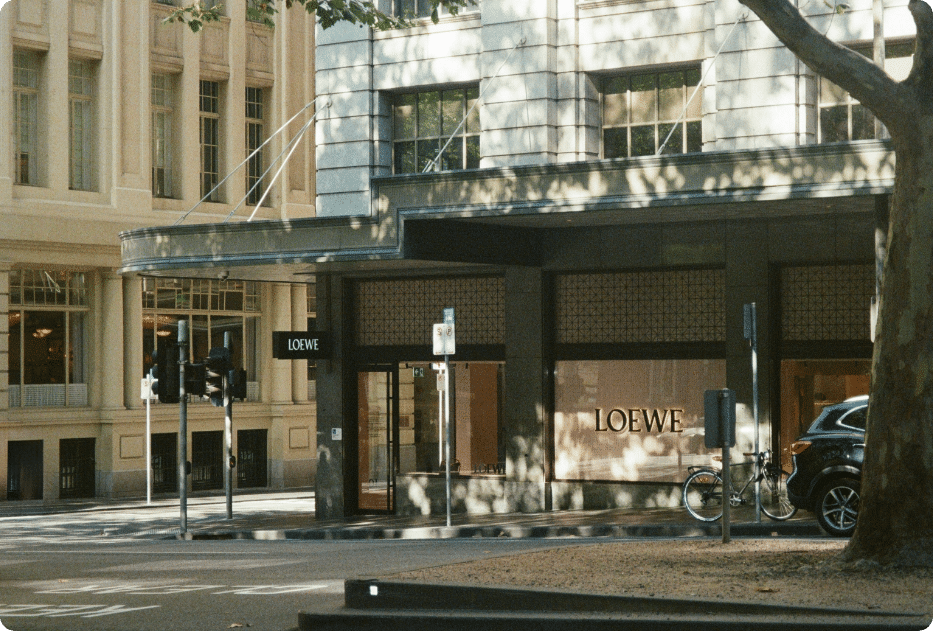
What is a commercial property loan?
A commercial loan funds property that earns income or houses a business. Offices, warehouses, retail strips, hospitality venues, and mixed-use buildings all sit under the commercial umbrella. Lenders focus on three things during assessment: the property’s value, the rental income it generates, and your capacity to cover any shortfall when circumstances change. That third point matters because commercial vacancies typically last longer than residential ones, and lenders often price that risk into every deal.
Is a commercial loan right for you?
Diversify your investment portfolio
Residential and commercial markets don’t move in step. Commercial yields tend to run higher, leases are longer, and tenant turnover happens less often. Many investors hold both for that reason. When residential softens, commercial often holds firm, and vice versa.
Leverage tenant income
A 3-10 year commercial lease with built-in rent reviews is fundamentally different from a standard residential tenancy. Lenders factor that into serviceability assessments. A national tenant on a long lease attracts sharper pricing than a vacant property or a small operator on a short-term arrangement.
Capitalise on tax and ownership structures
Commercial property opens up options that residential investors don’t have. Depreciation on the building and fit-out, GST registration, and ownership through a trust, company, or self-managed super fund all factor into the planning. The right structure depends on your accountant’s view of your wider position, so that conversation should happen before contracts are signed.
Control your business premises
For business owners leasing their premises, every rental payment is a cost without a return. Owning the building converts those payments into equity in an asset you control. Ownership also allows you to fit the space out as your operations require, without negotiating with a landlord focused on the next tenant.

Check Your Eligibility. Talk to a Commercial Loan Specialist.
Talk to us todayDo you qualify for a commercial loan?
Here is what you will generally need to apply for a commercial loan:

Your borrower profile
- Stable income from a business, salary, or investments sufficient to service the loan
- Deposit between 25% and 35% of the purchase price; the figure can shift based on tenant strength and asset type
- Clean credit history and a track record of meeting financial commitments
- Background in commercial property or business operations is helpful, though not always essential

The commercial asset
- Property type and location aligned with lender appetite, with offices, retail, and industrial generally sitting in the mainstream
- Lease in place, with tenant financials and remaining term properly documented
- Independent commercial valuation, along with environmental or building reports where required
- Zoning and permitted use that match the property’s actual operation

Loan parameters and pricing
- Loan-to-value ratio typically capped between 65% and 75%, depending on the asset
- Loan term up to 25 years, subject to periodic reviews
- Interest-only or principal-and-interest repayments to suit your cash flow
- Fixed, variable, or split rate options
How we help secure your commercial loan?
Navigating a commercial loan can be complex, but we’re here to simplify it. Here’s how Orange Home Loans has got you covered.

Diverse lender panel access
Most major banks approach commercial lending in one way, while second-tier lenders take a different view and specialist non-bank lenders bring their own appetites and pricing. We work across all these categories, which means we can match your plan to the right lender rather than the only one available.

Expert advice
Should you borrow in your own name, a company, a trust, or a super? Interest-only or principal-and-interest? Fixed for how long? These decisions are not minor. They shape your tax position, cash flow, and exit options over the life of the loan. We work through the trade-offs with you before any application is submitted.

Your Independent Melbourne broker
Based in Moonee Ponds and operating across Greater Melbourne, we work for you, not the banks. With our local knowledge, we can help accelerate the assessment process and strengthen your position, making sure you get the right loan.
Commercial loans:
Frequently asked questions.
Commercial loans:
Frequently asked questions.
What can a commercial loan be used for?
Purchasing or refinancing property used for business, retail, industrial, hospitality, or mixed-use purposes. Equity release against an existing commercial property is also common, used to fund further acquisitions, business expansion, or working capital.
How much deposit do commercial properties require?
Typically 25% to 35% of the purchase price. The exact figure depends on the property type, tenant strength, location, and your overall financial position. Specialist properties, including childcare centres, service stations, and pubs, generally require larger contributions.
Are commercial interest rates higher than residential rates?
Yes, in most cases. Commercial pricing sits above residential because terms are shorter, vacancies are costlier, and the risk profile is broader. A property leased to a strong long-term tenant will price closer to residential than a vacant or specialist asset.
Can I purchase commercial property through my SMSF?
Yes, through a Limited Recourse Borrowing Arrangement. Business owners commonly use this structure to acquire their own premises through superannuation, with rent then paid to the fund. SMSF lending carries tighter LVRs, more documentation, and stricter compliance requirements, so coordinated advice from your accountant and broker is essential.
How is a commercial property valued for lending?
Valuers consider the property’s rental income, recent sales of comparable assets, and the cost of replacing the building. Tenant strength has a substantial influence. A property leased to a national chain on a 10-year term values very differently to the same building sitting vacant.
What loan term should I expect on a commercial mortgage?
Most commercial loans run 15 to 25 years, with the lender reviewing the facility every three to five years. At each review, the lender reassesses the property value, the rental income, and your financial position. The loan can be renewed, restructured, or refinanced at these intervals.
Is refinancing an existing commercial loan worth considering?
In many cases, yes. Sharper rates elsewhere, a stronger tenant in place, the need to release equity, or a current lender that has stepped back from your asset class can all justify a refinance. We benchmark your existing loan against current market options and provide a direct view on whether moving makes financial sense.
How long does commercial loan approval typically take?
Allow four to eight weeks from application to settlement. Valuations and lease documentation are the most common sources of delay. SMSF transactions, or deals involving multiple properties and complex tenant arrangements, generally take longer.
Why work with a broker on a commercial loan?
Commercial lending operates as a specialist field. Lender appetites shift, criteria vary widely, and pricing turns on details that aren’t always visible from outside. A broker working in this space regularly knows which lender suits each transaction, how to present the application, and what evidence credit teams need to approve a deal. That experience saves time and reduces the risk of rejection.